"La Vida es Sueño": ¿Un Clásico Aún Vigente?
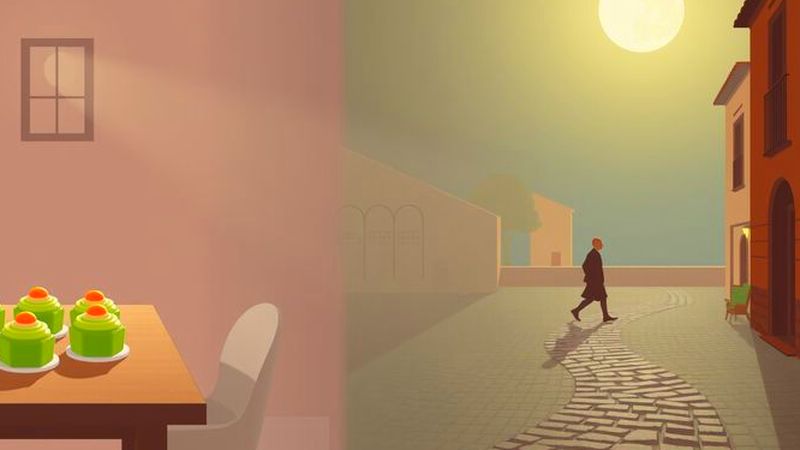
Federico García Lorca’s La Vida es Sueño (Life is a Dream) remains a theatrical and, increasingly, a danceable work that continues to provoke, challenge, and ultimately, enthrall audiences nearly a century after its creation. Originally conceived as a play, Luis Buñuel’s 1992 film adaptation profoundly shaped its perception, but the core text – a complex meditation on free will, destiny, and the nature of reality – stubbornly resists being fully categorized. This enduring resonance begs the question: in the context of contemporary arts and festivals, does La Vida es Sueño remain a genuinely relevant classic, or is it a relic of the past, best admired from a distance? This exploration delves into the reasons behind the play's persistent appeal, examining its evolution through different mediums, and considering how its themes speak to audiences grappling with similar anxieties about control, illusion, and the inescapable pull of fate.
El Legado de Buñuel y la Reinventación Teatral
Buñuel’s film is undeniably responsible for catapulting La Vida es Sueño into the international spotlight. The surreal imagery, the stark black and white cinematography, and the deliberately unsettling performances created a cinematic experience that transcended the original text, establishing a visual shorthand for the play’s core ideas. However, Buñuel’s interpretation also presented challenges – some critics argue it romanticized the play's darkness and obscured Lorca's original intentions. Nevertheless, the film undeniably reignited interest in the text and inspired numerous stage productions, each seeking to interpret and reshape the story for a new generation.
The subsequent theatrical revivals, spanning from the 1960s to the present day, demonstrate a remarkable commitment to the play's unique qualities. Directors have embraced a wide range of interpretations, from stark, minimalist productions focusing on the psychological drama to more elaborate, visually rich interpretations that leverage theatrical spectacle. The success of these varied approaches speaks to the play's adaptable nature; its inherent ambiguity allows for a multitude of readings, ensuring its continued relevance to contemporary artistic concerns. Productions often grapple with the central paradox of Segismundo – a man born into a state of perpetual imprisonment, destined to suffer yet capable of choosing his own path – and the audience is continually invited to question the nature of justice and retribution.
La Danza como Lenguaje de La Vida es Sueño
The increasing popularity of La Vida es Sueño in dance form represents a particularly fascinating development. Choreographers, recognizing the play's potent imagery and metaphorical richness, have begun to translate the narrative and its themes into movement. Works by Crystal Pite, Akram Khan, and Sidi Larbi Cherkaoui, amongst others, have demonstrated the power of dance to capture the play’s core struggles – the fight against predetermined destiny, the agonizing desire for freedom, and the deceptive allure of illusion.
Dance allows for a direct engagement with the play’s most arresting visual moments, particularly the dream sequences and the symbolic use of masks and costumes. The physicality of movement can powerfully convey the imprisonment of Segismundo and the weight of expectation, while partnering work often represents the complex dynamics of power and control within the play’s world. Furthermore, the abstract nature of dance can provide a space for interpreting the play's philosophical questions in a way that transcends literal representation, forcing the audience to contemplate the underlying ideas rather than simply retelling the story. These dance interpretations aren't simply visual accompaniments; they become integral to the meaning of La Vida es Sueño, offering a fresh perspective on this timeless drama.
Temas Eternos y Relevancia Contemporánea
Despite its historical context, La Vida es Sueño addresses themes that remain strikingly relevant in the 21st century. The play’s preoccupation with control – both external and internal – resonates deeply with our contemporary anxieties about surveillance, algorithmic manipulation, and the erosion of individual autonomy. The illusionary nature of reality, constantly questioned within the play, mirrors the increasingly mediated world we inhabit, where digital technologies blur the lines between truth and falsehood.
Moreover, the struggle against fate and the search for meaning in a seemingly meaningless existence continue to be profoundly human concerns. Segismundo's yearning for freedom and his ultimate decision to embrace suffering – rather than passively accepting his predetermined fate – speaks to the enduring human desire to assert agency in the face of overwhelming forces. In a world grappling with climate change, political instability, and widespread uncertainty, the play’s exploration of resilience and the difficult choices we must make to forge our own destinies feels more pertinent than ever. Ultimately, La Vida es Sueño functions as a mirror, reflecting our own hopes, fears, and the ongoing search for purpose in a world that often feels chaotic and unpredictable.
La Vida es Sueño is, unequivocally, a classic that remains powerfully vibrant. Its longevity is not merely due to the brilliance of Lorca’s original text, but also to its adaptability – its willingness to be reinterpreted and reimagined across different artistic mediums. The film adaptation sparked renewed interest, and subsequent stage productions and, increasingly, dance interpretations demonstrate a continued fascination with its complex themes and unsettling imagery. As long as audiences continue to grapple with questions of free will, destiny, and the nature of reality, La Vida es Sueño will undoubtedly continue to resonate, offering a timeless meditation on the human condition and a compelling reminder that even within the confines of a dream, we retain the power to shape our own lives.
Deja una respuesta