Iluminación para "La Vida es Sueño": Realidad vs. Ilusión
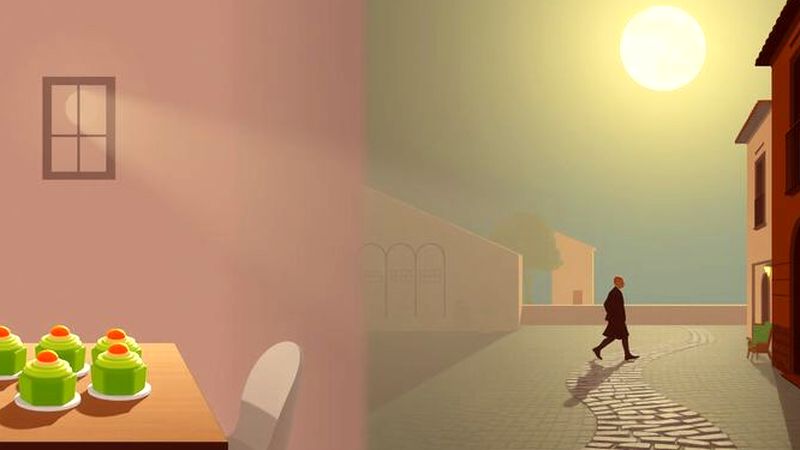
Federico García Lorca’s “La Vida es Sueño” (The Life is a Dream) is a work of profound psychological and philosophical depth, a swirling vortex of power, memory, and ultimately, acceptance. The play’s themes of illusion, reality, freedom, and tyranny resonate deeply with audiences and, crucially, lend themselves to a remarkably powerful and layered approach to stage lighting. To illuminate this complex narrative effectively requires far more than simply illuminating the stage; it demands a deliberate and meticulously crafted system that reflects and manipulates the audience's perception, blurring the boundaries between what is tangible and what is merely imagined. This article will delve into the strategies and considerations involved in designing lighting for a production of “La Vida es Sueño,” exploring how to translate the play’s central conceit – the cyclical nature of reality and illusion – into a dynamic and emotionally resonant visual experience. The goal isn’t just to cast light, but to sculpt the atmosphere, using illumination as a tool to actively engage with the audience’s understanding of the drama.
Construyendo la Atmósfera: Color y Temperatura
The core of Lorca's work is steeped in Andalusian imagery – the sun-baked earth, the heat, the shadows, and the intense colours of nature. Therefore, the foundational palette for the lighting design must immediately reflect this environment. Initially, a predominantly warm colour temperature is crucial – golds, oranges, and reds – to evoke the intensity of the sun and the arid landscape. However, this warmth shouldn’t be static. Shifts in colour temperature will be vital to delineate the play’s shifts in tone and to signify transitions between dream and reality. A gradual descent into cooler blues and violets, particularly during moments of heightened emotion or the symbolic representations of the underworld, could powerfully represent the loss of reality and the encroaching darkness of Maimon’s despair.
It is crucial to consider the role of specific hues. A potent use of crimson, for instance, could underscore Don José’s ambition and his embrace of tyranny. Conversely, the subtle interplay of violet and grey might represent the fragile nature of memory and the increasingly blurred lines between past and present. The lighting designer must be acutely aware that color isn't just about aesthetics; it’s a narrative device, a tool to directly communicate the play’s emotional currents.
La Dualidad de la Luz: Sombras y Claroscuro
“La Vida es Sueño” thrives on ambiguity and paradox. The characters exist in a state of perpetual uncertainty, and the audience is invited to question the very nature of their experiences. The lighting design must therefore embrace and exploit this ambiguity, particularly through the strategic use of shadows and chiaroscuro. Deep, enveloping shadows can symbolize the hidden depths of the characters' minds, the consequences of their actions, and the inescapable weight of the past.
Furthermore, the careful manipulation of light and shadow can visually represent the play’s central theme of illusion versus reality. A single shaft of light cutting through a dark stage, for example, might illuminate a character’s face, drawing attention to their inner turmoil or hinting at a hidden truth. Conversely, a pervasive darkness can signify a state of ignorance or despair, trapping the characters in their own self-deceptions. The goal is to create a visual language that constantly challenges the audience's assumptions and encourages them to actively participate in the interpretation of the play.
Dinámicas de Luz: Movimiento y Ritmo
Lorca’s poetry is characterized by its rhythmic intensity and its exploration of cyclical patterns. This inherent rhythm should be mirrored in the lighting design, through the use of movement and dynamic changes. Static lighting would be wholly inappropriate for this work. Instead, lighting cues should be carefully choreographed to build tension, to mark transitions between scenes, and to reflect the characters’ emotional states.
Consider the use of slow fades and washes to suggest the passage of time or the blurring of memories. More abrupt changes in lighting can be used to signify moments of crisis or to underscore the play’s chaotic nature. Furthermore, employing different lighting instruments – moving lights, gels, and gobos – can create a sense of spatial dynamism and contribute to the overall illusion of a shifting reality. These changes should feel organic and connected to the drama, not simply decorative. The lighting must actively contribute to the storytelling.
Simbolismo y Recursos Técnicos: El Uso de Gobos y Proyecciones
Gobos and projections offer powerful tools for enhancing the symbolic weight of the play’s imagery. Projecting patterns onto the stage floor—representing thorns, geometric shapes, or even distorted reflections—can visually represent the characters’ entrapment, their distorted perceptions, and the relentless forces shaping their lives. The precise selection of these patterns is crucial, acting as visual shorthand for key themes.
Moreover, the strategic use of gobos – translucent or opaque shapes placed in front of lights – can create dramatic silhouettes and add layers of visual complexity to the stage picture. A subtle, barely visible gobo depicting a thorny bush, for instance, might symbolize the painful memories that haunt Don José, while a more pronounced image of a prison cell could represent the limitations of his freedom. These technical elements shouldn't overwhelm the performance but instead, should subtly and powerfully reinforce the play's core themes.
Ultimately, illuminating “La Vida es Sueño” successfully requires a deep understanding of Lorca’s vision and a commitment to using light as a dynamic and expressive tool. It's not about simply illuminating the set; it’s about creating a world—a world that reflects the play’s core concepts of illusion and reality. By carefully layering color, embracing the power of shadows, incorporating dynamic movement, and leveraging the symbolic potential of gobos and projections, the lighting design can actively engage the audience, prompting them to question their own perceptions and to contemplate the profound mysteries at the heart of this timeless masterpiece. The lighting, in its meticulous design and careful execution, becomes an integral part of the storytelling, undeniably amplifying the emotional resonance and ultimately, the enduring power of "La Vida es Sueño."
Deja una respuesta